
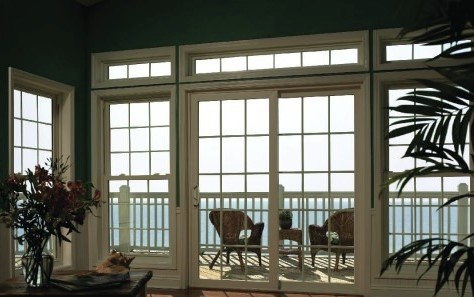
Energy-Efficient Windows in Louisiana: How Much Can You Save on Cooling Bills
If your air conditioner runs nonstop from May through October, your windows might be part of the problem. Energy-efficient windows in Louisiana can lower cooling costs by helping your home hold onto conditioned air instead of losing it through old glass and worn-out frames. Most homeowners see the biggest difference in comfort first, with lower monthly energy costs following close behind. The exact savings depend on your current windows, home size, and how much direct sun your house gets.
What Counts as Energy-Efficient Windows in Louisiana’s Climate?
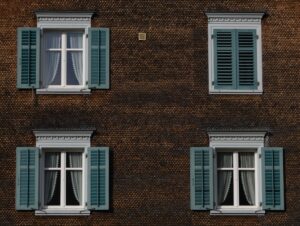
An energy-efficient window is built to slow down heat transfer — the movement of heat through glass, frames, and seals. In a hot, humid climate like ours, that mostly means keeping outside heat out rather than keeping inside heat in. Two ratings matter most:
- U-factor — measures how easily heat moves through the window. Lower is better.
- Solar Heat Gain Coefficient (SHGC) — measures how much of the sun’s heat passes through the glass. In Louisiana’s climate, a low SHGC is usually more important than the U-factor, since blocking solar heat is the main job your windows need to do.
You’ll find both numbers on the National Fenestration Rating Council (NFRC) label attached to every certified window — like a nutrition label, but for heat instead of calories.
Most Louisiana homeowners do best with energy efficient double-pane windows that include a low-e coating, argon gas fill, and vinyl frames — a combination that performs well in heat and humidity without the maintenance demands of wood or the conductivity issues of aluminum. You can browse the available options on our energy-efficient windows and vinyl windows pages.
Why Gulf Coast Heat and Extreme Weather Test Your Windows
Louisiana doesn’t get a break from the sun the way northern states do. Long, intense summers, high humidity, and tropical storm season all put extra strain on windows that wouldn’t be an issue in milder climates. According to the U.S. Department of Energy, heat gain and heat loss through windows account for 25% to 30% of a home’s total heating and cooling energy use nationwide. In a Gulf Coast home with long cooling seasons, that share often leans even more heavily toward heat gain, since your AC works against the sun for most of the year.
Extreme weather adds another layer. Humidity swings cause wood and composite frames to expand and contract, which can break seals over time, while heavy rain and wind during storm season test weatherstripping and flashing. None of this happens overnight — it builds gradually, which is why so many homeowners don’t notice the problem until their bills do.
Warning Signs Your Windows Are Hurting Your Energy Efficiency
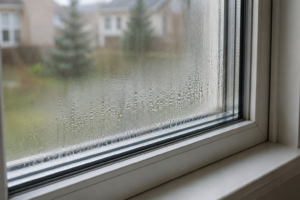
Watch for these common red flags:
- Rooms near windows feel noticeably hotter than the rest of the house
- You can feel a draft near a closed window, even on a calm day
- Condensation or fogging appears between the panes of double-pane glass
- Window frames feel warm to the touch on sunny afternoons
- Your HVAC system runs longer cycles than it used to, with no other changes
- Visible gaps, warping, or cracking in the frame or sash
In our experience, most homeowners notice the comfort problem — a hot spot near a window, a draft in winter — long before they connect it to their utility bill. By the time the bill catches their attention, the windows have usually been underperforming for a while.
When to Replace Windows for Energy Savings
Not every window problem requires full replacement, but certain conditions are strong signals that repair won’t get you the energy savings you’re after. Consider replacement when:
- Your windows are original to a home built before the early 2000s and still have single-pane or early double-pane glass
- You see fogging or moisture between panes, meaning the seal has failed and can’t be fixed
- Frames are soft, cracked, or visibly rotting
- Windows are difficult to open, close, or lock
- You’re already planning other efficiency upgrades and want to address the building envelope as a whole
If you’re only dealing with one or two problem windows, a full-home replacement may not be necessary yet. A professional inspection can tell you whether it’s a localized fix or a sign the whole window line is reaching the end of its service life.
Why Window Replacement Isn’t a DIY Project
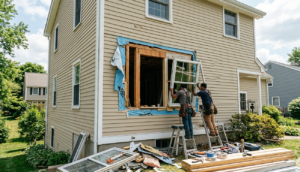
It’s tempting to treat window replacement like a weekend project, but it carries real risks that go beyond a bad caulk job.
Structural and safety concerns include:
- Removing a window opens a gap in your exterior wall, which can expose the structure to water intrusion if not flashed and sealed correctly
- Glass units are heavy and awkward to maneuver, especially on upper floors
- Incorrect sizing or shimming can throw a window out of level, straining the frame
- Improper sealing around the rough opening is one of the most common causes of new windows performing no better than the old ones
A common mistake we encounter is homeowners assuming a high-performance window guarantees high performance on its own. The window is only half the equation — a premium ENERGY STAR window installed with gaps around the frame will leak air no matter how good its U-factor and SHGC ratings are. If you’re not confident in flashing, sealing, and structural assessment, this is a job for a licensed professional. Our window installation and window replacement teams handle the structural and weatherproofing details that determine whether your new windows actually deliver the savings you’re expecting.
What Professional Window Installation Looks Like
Knowing what to expect makes the process less intimidating. Here’s the general walkthrough:
- Inspection and measurement. A technician examines your existing windows and surrounding wall structure, then takes precise measurements for your replacement units.
- Product selection. You’ll review frame materials and styles – including options like double-hung windows, casement windows, bay windows, and picture windows – based on your home’s layout and sun exposure.
- Removal of old windows. The existing unit is removed down to the rough opening, protecting interior trim and exterior siding along the way.
- Inspection of the opening. Before the new window goes in, the opening is checked for rot or structural issues that need addressing first.
- Installation and air sealing. The new window is set, leveled, shimmed, and sealed with flashing and insulation to close off air leaks around the frame — not just at the glass.
- Final check. The technician tests operation, confirms a tight seal, and walks you through care instructions.
What we typically see during an inspection is that older homes often have rough openings that aren’t perfectly square anymore, due to decades of settling. That’s part of why precise, professional measurement matters more than it might seem — a window that fits the opening on paper can still underperform if the opening itself has shifted.
Energy Star Ratings, U-Factor, and SHGC Explained
ENERGY STAR certification means a window has been independently tested and verified to meet U-factor and SHGC requirements for its climate zone. Louisiana falls into the Southern climate zone under the ENERGY STAR program, which prioritizes a low SHGC to block solar heat gain during our long cooling season.
According to ENERGY STAR, installing certified windows, doors, and skylights can shrink energy bills by an average of up to 13% compared to non-certified products nationwide. That figure varies by home, but it gives you a reasonable benchmark when comparing window options.
A simple way to think about the two ratings:
| Rating | What It Measures | What to Look For in Louisiana |
|---|---|---|
| U-factor | How easily heat passes through the window | Lower number = better insulation |
| SHGC | How much solar heat passes through the glass | Lower number = less heat gain, better for our climate |
Low-e (low-emissivity) coatings play a big role here too. The Department of Energy notes that low-e coatings typically add 10% to 15% to a window’s cost but can reduce energy loss by 30% to 50% – a tradeoff that pays for itself over the life of the window.
How New Windows Improve Efficiency and Strengthen Your Building Envelope
Your windows are part of a larger system. Building scientists call the combination of your walls, roof, doors, windows, and insulation the building envelope — the barrier that separates conditioned indoor air from the outdoors. When one part of that envelope underperforms, your HVAC system has to work harder to compensate, no matter how good the rest of the house is.
Replacing old windows is one of the more direct ways to improve efficiency in an older home, because windows are typically the weakest link in the envelope. Pairing new windows with attention to air leaks elsewhere — door seals, attic hatches, duct sealing in unconditioned spaces – tends to produce a more noticeable drop in monthly bills than windows alone.
Estimated energy costs savings vary by home, but a few patterns hold true for Gulf Coast properties: homes with original single-pane windows typically see the largest improvement, and south- and west-facing windows which take the brunt of Louisiana’s afternoon sun – often benefit most from a low SHGC upgrade. Pairing new windows with new entry doors or patio doors can compound the savings, since doors are also a major source of air leakage in older homes. Our door replacement and door installation pages cover the same air-sealing principles.
Efficiency Upgrades, Maintenance, and Seasonal Tips for Metairie and Baton Rouge Homeowners

New windows are a long-term investment, and a little maintenance protects that investment:
- Check and clean weep holes (the small drainage openings at the bottom of the frame) before hurricane season
- Inspect caulking and weatherstripping each spring and fall, since humidity cycles wear them down faster here than in drier climates
- Lubricate hardware on operable windows once or twice a year
- Watch for condensation between panes, which signals a failed seal even if the frame still looks fine
Whether you’re in Metairie, New Orleans, or as far north as Baton Rouge, the same climate pressures apply: long cooling seasons, high humidity, and storm season from June through November. Scheduling replacement in spring or early summer, before peak heat and storm season, gives your new windows a full cooling season to start paying off in lower monthly bills.
Tax Credits, Rebates, and Other Ways to Offset the Cost
Homeowners often ask about federal tax credits for window replacement. The federal Energy Efficient Home Improvement Credit, which previously offered up to $600 for qualifying windows, expired for improvements placed in service after December 31, 2025, and isn’t currently available for new installations. Tax rules change, so check IRS.gov directly or speak with a tax professional before you file.
Beyond federal incentives, check with your local utility provider for rebate programs on ENERGY STAR-certified products, since these are managed separately from federal tax credits. Even without a tax credit attached, energy-efficient windows continue to deliver value the way they always have: through lower monthly bills, better comfort, and less strain on your HVAC system over the long term.
Energy-Efficient Windows in Louisiana: The Bottom Line
Energy-efficient windows won’t eliminate your cooling bill, but for most Louisiana homes with older or single-pane windows, they make a real, measurable difference in both comfort and monthly energy costs. The combination of a low SHGC, a solid U-factor, and correct professional installation is what actually determines how much you save — not just the sticker on the glass.
If your home feels hotter than it should near the windows, or your AC seems to be working overtime, it may be time for a closer look at your building envelope. A proper inspection can tell you whether you’re dealing with one or two problem windows or a home-wide efficiency issue.
Ready to find out how much you could save? Eco Windows Metairie serves homeowners throughout Metairie and the greater New Orleans area. Visit our homepage to request your window assessment or call (504) 732-8198. We’ll inspect your windows and walk you through your options before any work begins — no pressure, just clear answers. You can also learn more about our approach on our About Us page.
Frequently Asked Questions
How much can energy-efficient windows save on cooling bills in Louisiana? Savings vary by home, but ENERGY STAR estimates certified windows can reduce energy bills by an average of up to 13% compared to non-certified products. Homes with original single-pane windows typically see the largest improvement, since heat gain and loss through windows account for 25–30% of a home’s total heating and cooling energy use.
What U-factor and SHGC should I look for in Louisiana? Look for a low Solar Heat Gain Coefficient (SHGC), since blocking solar heat is the priority in hot, humid climates like ours. A low U-factor still matters for overall insulation, but SHGC typically has the bigger impact on cooling costs in Louisiana homes. A window professional can recommend exact target numbers based on your home’s orientation and sun exposure.
Are there still federal tax credits for energy-efficient windows in 2026? The federal Energy Efficient Home Improvement Credit for windows expired for products placed in service after December 31, 2025. It is not currently available for new 2026 installations. Check IRS.gov or talk to a tax professional for the latest status, and ask your local utility about rebate programs, which operate separately from federal tax credits.
What’s the best window frame material for Louisiana’s humidity? Vinyl frames are a popular choice in Gulf Coast climates because they resist moisture, don’t rot or corrode, and require little maintenance compared to wood or aluminum. Vinyl also offers solid thermal performance, which helps with both U-factor and overall energy efficiency.
How long does professional window installation take? Timelines depend on the number of windows and the condition of the rough openings, but most homeowners can expect anywhere from one day for a handful of windows to several days for a whole-home replacement.
Can I replace just a few windows instead of the whole house? Yes. If only certain windows show damage, fogging, or drafts, a partial replacement can be a practical first step. A professional inspection will help you decide whether targeting specific windows now, with a plan to address the rest later, makes sense for your home and budget.